Introduction
In the fast-paced world of online shopping and global trade, products are everywhere—beautiful images, persuasive descriptions, and irresistible offers. But beneath the surface, not all items are created equal. For those who care about lasting value, safety, and performance, understanding product quality is essential. Whether you’re exploring everyday essentials or investing in high-end goods, knowing how to evaluate quality will save you time, money, and frustration in the long run. This guide will walk you through what product quality means, how to identify it, and why it matters.
1. What Exactly is Product Quality?

At its core, product quality refers to how well a product meets or exceeds expectations. This goes beyond appearance—it’s about durability, functionality, reliability, and user satisfaction. A high-quality product:
-
Performs as promised
-
Is safe to use
-
Lasts for a reasonable amount of time (or longer)
-
Meets established industry standards
For example, a kitchen knife isn’t just about a sleek handle—it’s about sharpness, balance, resistance to rust, and how it feels in your hand after extended use.
2. Why Quality Matters More Than Ever

Today’s market offers endless options, but that abundance comes with challenges. Cheaply made products can lead to:
-
Frequent replacements – costing more in the long term
-
Safety hazards – from poor manufacturing
-
Environmental harm – through waste and short life cycles
Investing attention into spotting quality upfront means fewer disappointments, better long-term value, and more sustainable choices.
3. The Key Indicators of Product Quality
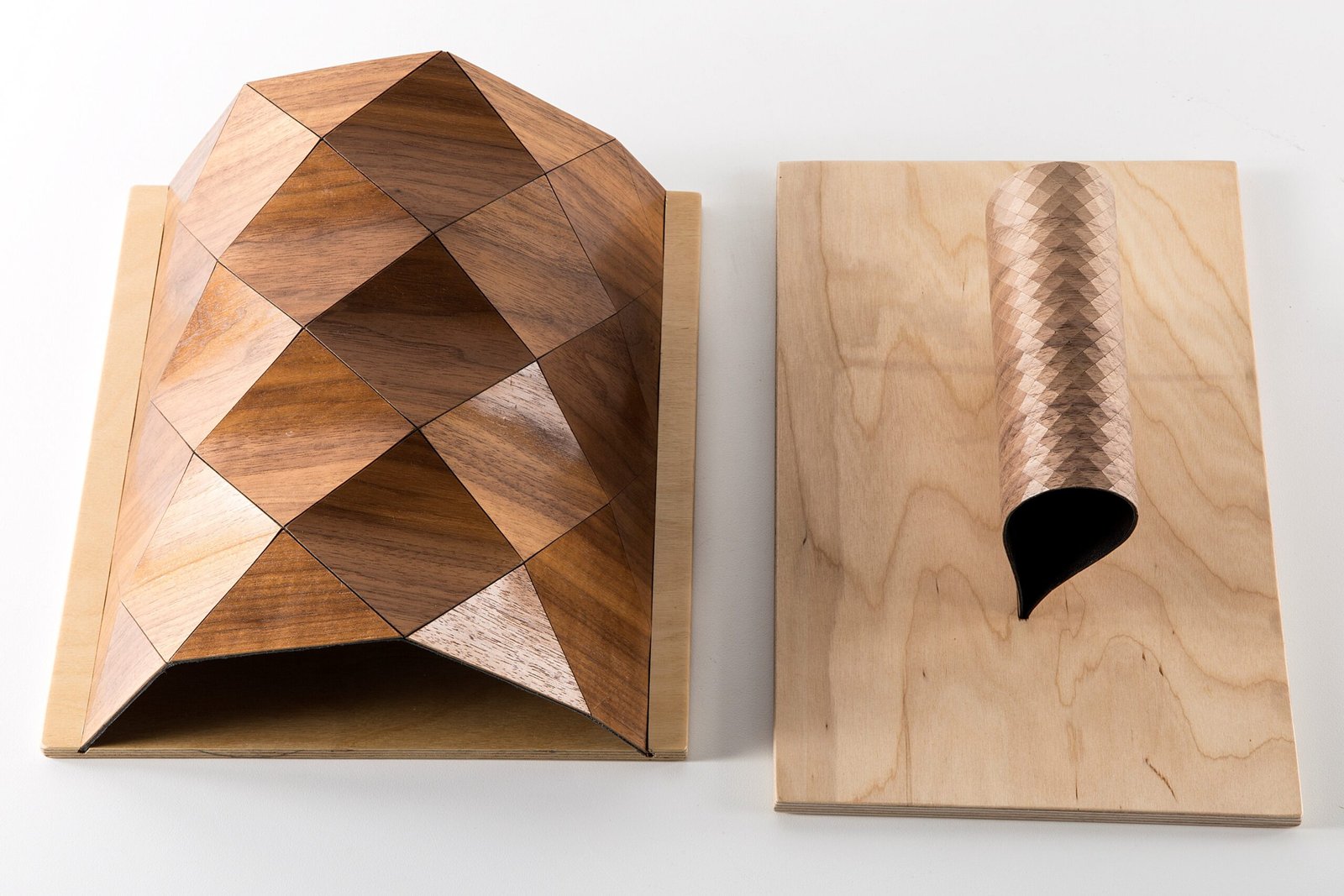
Spotting excellence requires looking past marketing claims. Here are the main elements to check:
a. Materials Used
Quality often starts with materials. Premium fabrics, metals, woods, or plastics will feel different and perform better.
-
Textiles: Look for natural fibers (cotton, wool, silk) or high-grade synthetics with strong stitching.
-
Metals: Stainless steel, titanium, or anodized aluminum resist rust and corrosion.
-
Wood: Hardwoods like oak, walnut, or teak last longer than particleboard or MDF.
b. Craftsmanship
The skill of assembly makes a big difference. Look for even seams, smooth edges, and no loose parts.
-
Check for consistent finishes (paint, polish, stitching).
-
For electronics, see if buttons feel responsive and secure.
-
For furniture, ensure joints fit snugly without gaps.
c. Functionality & Performance
A beautiful product is useless if it doesn’t work well. Test how it performs under normal and slightly heavy use.
-
Clothing: Does it hold shape after washing?
-
Tools: Do they operate smoothly without extra force?
-
Gadgets: Do they respond quickly without lag or glitches?
d. Durability
Longevity is a hallmark of excellence. Quality products should withstand reasonable wear and tear.
-
Read manufacturer warranties—longer coverage often signals confidence in durability.
-
Search for stress test results or independent product reviews.
e. Safety & Compliance
High-quality products comply with safety regulations and industry standards.
-
For toys: Look for ASTM or CPSC safety labels.
-
For electronics: UL or CE certifications show they’ve passed safety tests.
-
For food-related items: FDA approval ensures materials are safe for contact.
4. How to Research Before You Commit

Excellence is rarely accidental—and with a little research, you can avoid poor-quality items.
a. Read Multiple Reviews
Customer reviews reveal real-world experiences. Pay attention to recurring themes rather than isolated complaints.
b. Compare Across Brands
Don’t just rely on one brand’s claims—see how competitors describe similar products and what features differ.
c. Investigate the Brand’s Reputation
Brands that consistently deliver high quality usually have a long history, industry recognition, or clear manufacturing transparency.
5. The Role of Design in Quality
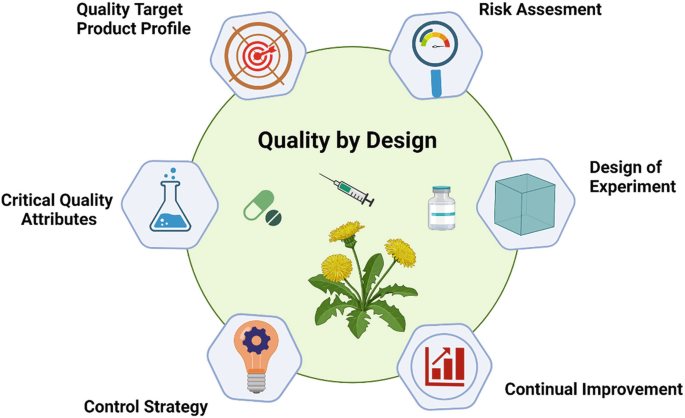
While design is often associated with aesthetics, it also impacts usability and comfort.
-
Ergonomics: Products should be comfortable to handle or use for long periods.
-
User-friendly features: Clear instructions, intuitive controls, and easy maintenance show attention to detail.
6. Spotting Red Flags of Low Quality
Avoiding poor-quality products is just as important as recognizing good ones. Watch out for:
-
Overly vague descriptions with no material details
-
Too many stock photos without close-up shots
-
Short or nonexistent warranty periods
-
Unusually light weight for items that should feel solid
-
Strong chemical odors indicating substandard materials or finishes
7. Sustainability and Ethical Considerations
Excellence isn’t just about performance—it’s also about responsibility. Ethical brands often:
-
Use sustainable materials
-
Maintain fair labor practices
-
Minimize waste in packaging
Checking for third-party certifications like Fair Trade, GOTS (Global Organic Textile Standard), or FSC (Forest Stewardship Council) can help identify products that are both high-quality and responsibly made.
8. Building Your Personal Quality Standard
Ultimately, product quality is personal—based on your needs, preferences, and values. Over time, you’ll develop an instinct for recognizing excellence.
-
Start with small tests—try a product from a trusted brand and see if it meets your expectations.
-
Keep a mental (or written) list of brands and features that have served you well.
-
Learn from mistakes—if something disappoints, identify what quality marker you overlooked.
Final Thoughts
Understanding product quality is about more than spotting shiny finishes or trusting a brand name—it’s about knowing the signs of durability, safety, functionality, and craftsmanship. By paying attention to details, doing research, and trusting your observations, you can confidently select items that truly deliver value over time.